Check C-41 Development and Scanning Before You Leave Color Film at a Lab
This page contains Coupang Partners affiliate links; the operator may earn a commission.
Key Takeaway
Color negative film is developed in the C-41 process. Before you hand a roll over, ask the lab about the process, scan file format, and delivery. This post follows Kodak and Harman material.
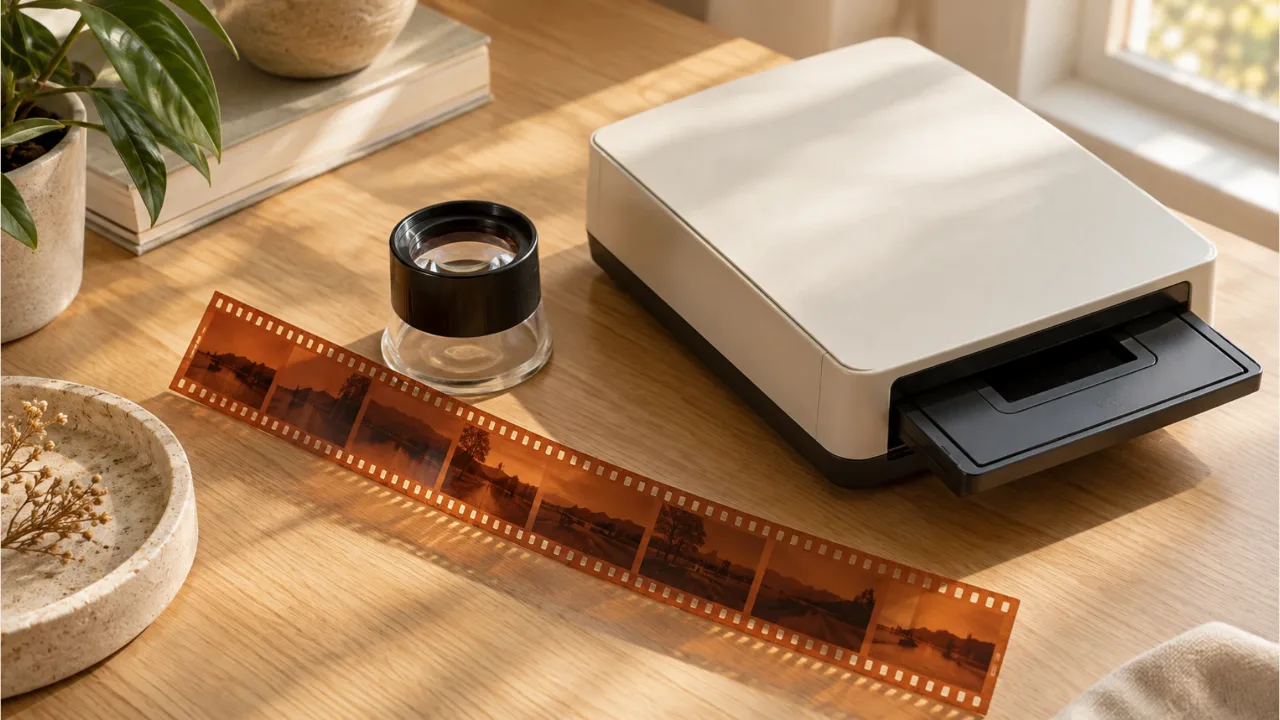
What is the C-41 process?
It is the name of the process used to develop color negative film. The Kodak Gold 200 technical data sheet calls for the C-41 process with Kodak FLEXICOLOR chemicals, and the Portra 400 technical data sheet calls for the same chemicals and process.
Harman also says in its FAQ that you can develop its color films yourself with a C41 kit or send them to a lab that develops C41 color film. So when you drop off color negatives, saying "C-41" gets the message across.
What should you ask before dropping film off?
- Tell the lab the film is color negative, and ask whether they develop it in C-41.
- Decide between development only and development plus scanning, and ask about the scan file format and resolution.
- Confirm how you will receive the files.
- Black-and-white and slide (E-6) film may go to different labs, so ask first.
Here is one useful fact. The Kodak Portra 400 document says negatives of this film can be scanned on many kinds of scanners, from desktop scanners to high-end drum scanners. However, the Kodak documents opened for this article give no recommended resolution. Rather than memorizing a number, ask what resolution the lab provides and decide whether it suits how you will use the images.
Do scans differ from lab to lab?
Scan settings affect the result. In its FAQ, Harman says results are good when you use a lab that applies its recommended scan settings. Harman's scanning tips page has separate settings for labs that use Fuji SP3000 and Noritsu scanners. Those settings, however, are tailored to Harman's color films.
So you can ask whether the lab adjusts scan settings and which scanner it uses. That does not mean the same settings suit every film.
How soon should you drop off exposed film?
Both the Kodak Gold 200 and Portra 400 technical data sheets say to develop as soon as possible after exposure. Kodak's storage material says exposed film can sit in a refrigerator for a short time before development, in a sealed container, and should return to room temperature before you open it. If you do not plan to drop it off within a few days, use this method, and avoid hot places such as a car in summer.
How should you store developed negatives?
Once you get them back, storing them so they do not deteriorate is what matters. Here is a summary of the guidance in Kodak's storage material.
| Item | Guidance in Kodak material |
|---|---|
| Cleanliness | Keep dust and fingerprints off, and wipe off dirt carefully before storing |
| Container | Paper envelopes that meet photographic standards are said to be better for long-term storage |
| Long-term temperature and humidity | 2-13°C, 30-35% relative humidity |
| Light | Keep away from light, in a cool, dry place |
The date checked is 2026-10-13. The values in the table come from Kodak's summary of storage and handling of photographic materials (CIS-2017-1, October 2019) and its technical documents. For the short term, Kodak explains that storing them in normal indoor conditions is fine.
If you check one more thing after dropping off, what should it be?
Make sure you get your original film negatives back. If you lose the scan files, you can scan again as long as you still have the negatives. After you receive them, store them as the table above describes.
Frequently Asked Questions
Does the C-41 process apply to every color film?
It applies to color negative film. The Kodak Gold 200 and Portra 400 documents call for C-41, while Kodak says slide film such as Ektachrome E100 uses the E-6 system.
How soon after shooting should I drop film off?
Kodak's technical documents say to develop as soon as possible after exposure. They give no number of days, so do not put it off.
How should I store negatives after development?
Kodak says to keep them free of dust and fingerprints, in something like a paper envelope that meets photographic standards. Keep them away from light and moisture, too.
Sources & Verification Date
- Kodak Gold 200 technical data sheet E-7022 (June 2023) · Verified
- Kodak Professional Portra 400 technical data sheet E-4050 (January 2025, copy of the manufacturer's document) · Verified
- Harman Photo FAQ · Verified
- Harman Photo scanning tips · Verified
- Kodak summary of storage and handling of photographic materials, CIS-2017-1 (October 2019) · Verified
All materials have been verified from official announcements and may have changed since verification.